
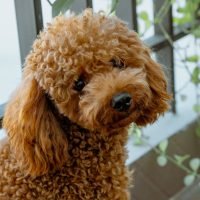
Poodle Ear Care Guide
Proper Cleaning Steps, Frequency, and How to Handle Odor
Why Poodles Need Extra Ear Care
Poodles (Toy, Miniature, and Standard) have deep ear canals and floppy ear flaps that trap heat, moisture, and even hair. This makes them more prone to earwax buildup, yeast growth, and ear infections compared to many other breeds.
As a Poodle parent, your main goals are simple:
- Clean correctly without harming the ear.
- Clean often enough, but not too often。
- Recognize and respond if there is a bad odor, discharge, or infection.
The 30-Second Pre-Check: Can You Clean Now?
Before you reach for the ear cleaner, do a quick inspection:
Normal signs: light earwax, pale skin, no strong odor.
Warning signs — skip cleaning and call your vet if you see:
Strong odor (sweet, musty “corn chip smell,” or foul stench)
- Red, swollen ear canal or painful reaction when touched
- Yellow, green, or dark discharge
- Frequent scratching or head shaking
Cleaning during an active infection may worsen the problem or hide symptoms.
When in doubt, get a vet check first.
Step-by-Step Ear Cleaning (At Home)
Tools you will need: dog ear cleaner (non-alcohol, pH-balanced), gauze or cotton pads, towel, and treats.
Avoid: cotton swabs deep inside, alcohol, hydrogen peroxide, essential oils, or vinegar mixtures.
Steps (2–3 minutes per ear):
- Secure your Poodle gently with calm voice and treats.
- Fill the ear canal with ear cleaning solution until you hear a squish.
- Massage the ear base for 20–30 seconds to loosen debris.
- Let your dog shake its head to expel liquid and wax.
- Wipe the opening with gauze or cotton pad (never deep inside).
- Repeat once if the ear still looks dirty.
- Dry the ear thoroughly with gauze or towel.
- Reward your dog to make the process positive.
After swimming or bathing, use a drying ear cleaner to reduce moisture that can trigger yeast growth.
How Often Should You Clean? (Different Lifestyles)
There is no one schedule that fits all. Frequency depends on climate, activity, and your dog’s health.
Dry climate, low activity: every 3–4 weeks, weekly checks
Humid summers, occasional swimming: every 2–3 weeks, plus clean and dry within 24 hours after water play
Allergies or sensitive skin: every 1–2 weeks, consult your vet for tailored care
Puppies: light cleaning every 2 weeks to build routine
Over-cleaning strips natural oils and upsets the ear’s microbiome. Clean only when needed.
What If Your Poodle’s Ears Smell? (Quick Diagnosis)
Mild waxy odor, light debris
Do a full clean.
Re-check in 48 hours; if odor fades, you are fine.
Sweet, musty, “corn chip” smell with brown wax (likely yeast overgrowth)
Reduce moisture: dry thoroughly after baths or swims.
Use drying or acidic ear cleaner for temporary relief.
If smell persists over 48 hours or itching worsens, see a vet for antifungal treatment.
Strong, foul odor with yellow or green discharge (likely bacterial infection)
Do not deep-clean, see a vet immediately.
Treatment usually requires prescribed antibiotics.
Coffee-ground debris with scratching (possible ear mites)
More common in puppies.
Requires vet confirmation and medication.
Ear Hair Plucking: Do You Really Need It?
This is a hot debate among Poodle owners.
Routine plucking is not necessary for all dogs. It may irritate the canal and lead to infection.
When it helps: if hair mats block airflow or wax keeps building up despite cleaning.
Always let a vet or experienced groomer pluck if needed.
For most Poodles, trimming outer ear hair and managing moisture works better than aggressive plucking.
Choosing the Right Ear Cleaner
Everyday maintenance: gentle, pH-balanced, wax-dissolving formula
Drying or acidic formulas: great after swimming or baths to reduce yeast growth
Sensitive dogs: fragrance-free, alcohol-free, hypoallergenic
Avoid DIY mixes like vinegar or essential oils inside the ear—they can cause irritation or burns.
Common Mistakes to Avoid
Using cotton swabs deep inside (pushes wax further in)
Over-cleaning (causes dryness and irritation)
Using human shampoo, hydrogen peroxide, or alcohol
Ignoring drying after baths or swims
Mixing multiple ear products at once
Masking odor with perfume instead of treating the cause
Easy Ear Care Routine
Weekly: lift ear flap, smell, and check for redness or wax
Every 2–4 weeks: full cleaning if needed
After every bath or swim: dry thoroughly and consider a drying ear cleaner
Vet check: if odor, pain, or discharge continues despite cleaning
FAQs
Q: Can I use baby wipes?
Yes, for the outer ear flap only. Never insert into the canal.
Q: Is coconut oil or vinegar safe?
Not recommended. Both may irritate or worsen infection.
Q: How often should my vet check ears?
At least once a year during routine exams; more often if infections keep recurring.
Key Takeaways
Cleaning frequency depends on environment and lifestyle.
Moisture control is more important than constant cleaning.
Ear hair plucking is not mandatory; it should be a selective, professional decision.
Odor type matters: a sweet yeast smell is different from a foul bacterial smell. Learning to tell them apart can save your dog discomfort and speed up treatment.
With the right balance of inspection, cleaning, drying, and vet support, you can keep your Poodle’s ears fresh, healthy, and infection-free.