
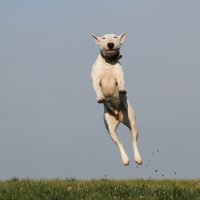
French Bulldog Post-Exercise Recovery Guide
Exercise Amount, Recovery Steps & Cooling Tips
1. Why Post-Exercise Recovery is Crucial for French Bulldogs
You might think your French Bulldog (aka “Frenchie”) is just a sleepy, couch-loving little companion—but they actually need regular exercise, and what happens afterward is just as important. Many owners overlook post-exercise care.
Healthy adult Frenchies generally need about 30–45 minutes of moderate daily activity to maintain healthy weight, mobility, and mental wellbeing. (eachpaw.com)
However, because French Bulldogs are brachycephalic (short-nosed), they are more prone to breathing difficulties, overheating, and joint or back strain during exercise. (pmc.ncbi.nlm.nih.gov)
This means exercise isn’t just about playtime—it’s about ensuring they recover safely so they benefit from activity without stress or injury.
2. Immediate Post-Exercise Steps
After a play session or walk, your Frenchie might flop down and pant heavily. Here’s how you can support recovery:
Rest for 5–10 minutes: Don’t rush them indoors or straight into a bath. Bring them to a shaded, ventilated area and provide water. This helps their heart rate and breathing return to normal. Frenchies struggle with heat, so cooling down is essential. (yfvets.co.uk)
Hydrate, but don’t overdo it: Provide fresh water, but avoid letting them gulp it all at once, which can upset the stomach.
Slow “cool-down” walk: A 3–5 minute gentle stroll helps transition their muscles and joints from active to resting state, reducing stiffness.
Watch for warning signs: Keep an eye out for extreme panting, bluish gums/tongue, unsteady movements, or sudden weakness—these may indicate overheating or overexertion. (orangecountyemergencyvet.com)
3. Recovery Within 24 Hours
The real recovery happens over the next 24 hours. Here’s how to ensure your Frenchie fully recovers:
Protein + slow-release carbs: After a longer or more intense session, feed a small portion of easily digestible protein (e.g., cooked chicken) with some low-GI carbs (like pumpkin). This helps muscles repair without adding excess calories—Frenchies gain weight easily.
Gentle massage and targeted warmth: Frenchies’ shoulders, hind legs, and back often bear extra strain. Light massages promote circulation and relieve stiffness. For older or cooler-weather dogs, you can use a warm compress (careful with temperature).
Optional cold/hot compress: If you notice hind leg stiffness, apply a warm compress for ~10 minutes 30 minutes after exercise, then a cold compress for ~5 minutes after an hour. This helps reduce micro-inflammation. Don’t use extremes—Frenchies are heat-sensitive.
Cool, ventilated environment: Avoid hot, humid, or direct sun exposure. Proper airflow and shade are essential for safe recovery.
Light activity next day: Recovery doesn’t mean total inactivity. A short walk or gentle play (5–10 min) helps muscles regain flexibility.
24-hour observation: Monitor for persistent panting, loss of appetite, abnormal gait, vomiting/diarrhea, or bluish gums/tongue—these are warning signs that require veterinary attention. (orangecountyemergencyvet.com)
4. Common Owner Concerns & Practical Advice
Here are real-life scenarios many Frenchie owners encounter:
“My Frenchie flopped down right after play—isn’t that fine?”
✅ It shows they’re tired, but heavy panting or collapse before breathing normalizes may indicate overexertion or poor heat regulation. Monitor them carefully.“I give them a bath right after exercise to get them clean.”
✅ Risky: post-exercise body temperature is high and muscles are warm. Cold baths or strong air drying can cause muscle stiffness or back/joint issues. Wait at least 30 minutes for cooling.“They won’t eat after exercise—is that a problem?”
✅ Slight loss of appetite is normal. But if it lasts more than 2 hours, or is accompanied by vomiting/diarrhea or excessive panting, consult a vet.“It’s hot outside, and my Frenchie gets tired after a few minutes—are they weak?”
✅ Not weak. Frenchies are heat-sensitive due to their anatomy. Avoid peak heat, choose shaded routes, reduce intensity, and use a harness instead of a collar to reduce neck strain.“Next day, their legs are stiff and they won’t jump on the couch—should I worry?”
✅ Likely minor muscle fatigue or joint stiffness. Light walks, gentle massage, and monitoring are usually enough. Persistent issues may indicate joint or spinal concerns, requiring veterinary evaluation.
5. Sample Weekly Recovery Plan (Healthy Adult Frenchie)
| Item | Day 1 Post-Exercise | Day 2 Post-Exercise | Rest Day |
|---|---|---|---|
| Activity | Short walk / light play: 10–15 min | Walk + brief interactive play: 20 min | Indoor exploration / gentle play only |
| Cooling & Hydration | 5–10 min rest + water | Same, monitor panting/fatigue | Fresh water, ventilated environment |
| Massage / Stretch | 3–5 min gentle shoulder, leg, back massage | 2–3 min light massage/play | Full-body gentle massage, focus on stiff areas |
| Diet | Main meal + small protein + slow carbs | Normal meal, monitor weight | Low-calorie meal, avoid overfeeding |
| Observation | Breathing, back, legs, gums/tongue | Leg stiffness, gait, energy | Diet, mood, bowel movement |
Note: For Frenchies with breathing, joint, or weight issues, reduce activity and recovery intensity by ~30–40% and consult a vet or rehab specialist.
6. Key Takeaways
Exercise is important, but post-exercise recovery is equally crucial.
Follow the core steps: cool down + hydration + light walk + massage/stretch + observation.
Frenchies’ anatomy—short nose, chest structure, joints, heat sensitivity—means extra vigilance is necessary.
Most importantly: let them play safely and recover comfortably. Your care after exercise strengthens their health and your bond.